Do you love to explore the world on your own terms? Do you value your own pace and aren’t a fan of spending your vacation on the beach or by the hotel pool? Or maybe you want to try something new? Read on, maybe overlanding is something for you!
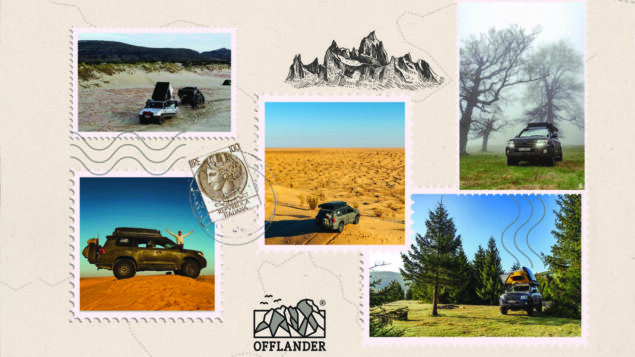
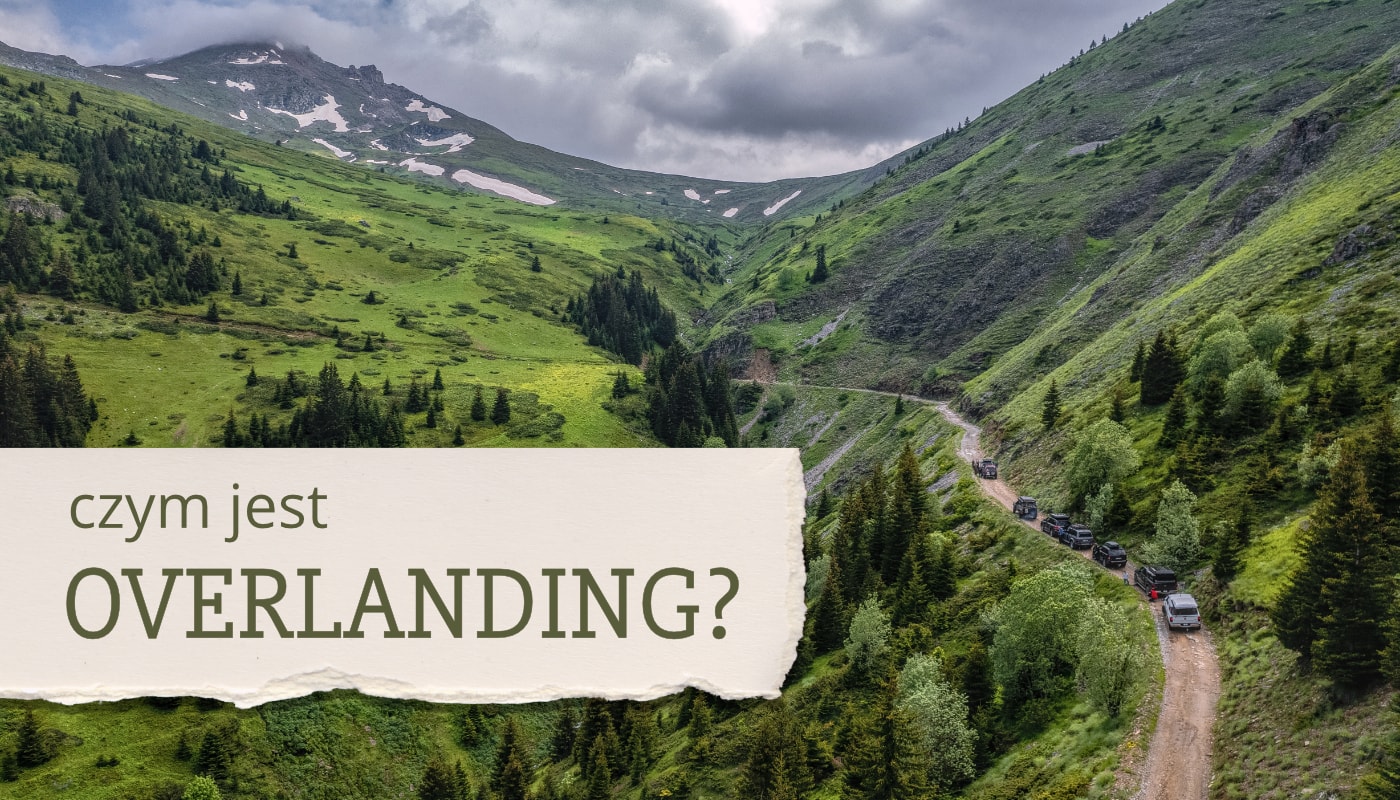
Overlanding is a form of travel that involves traveling, usually in an off-road vehicle or camper, long distances beyond paved roads and traditional tourist trails. Unlike regular road trips, the emphasis is mainly on the process of traveling, rather than on reaching a specific destination. Travelers enjoy the journey itself, admiring landscapes, discovering new places, and experiencing adventures along the way.
Typical overlanding expeditions take place in rural, less populated areas, along less traveled routes, through mountains, deserts, forests or other hard-to-reach areas. The journey can last several days, weeks or even months. It all depends on the preferences of the participants.
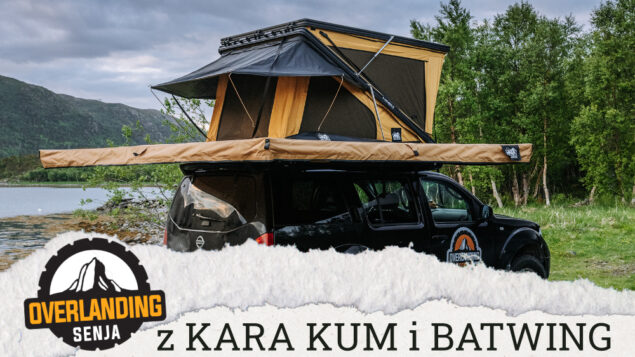
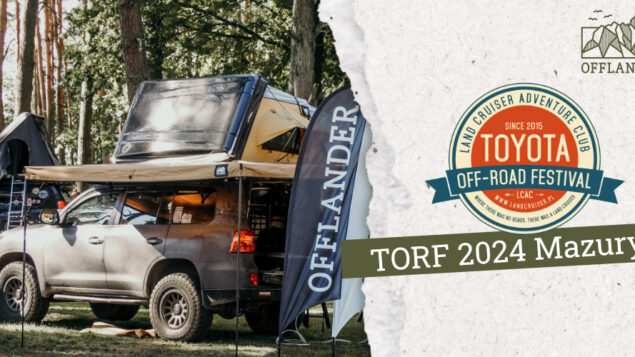
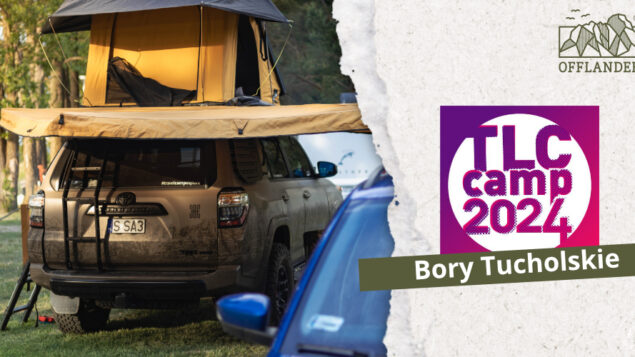
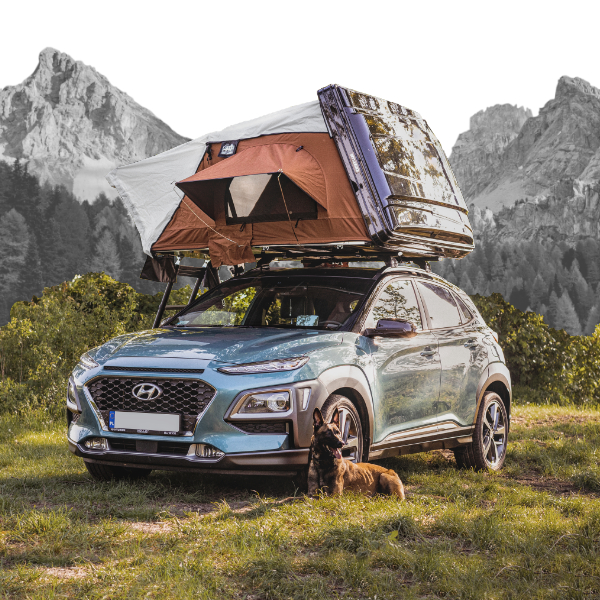
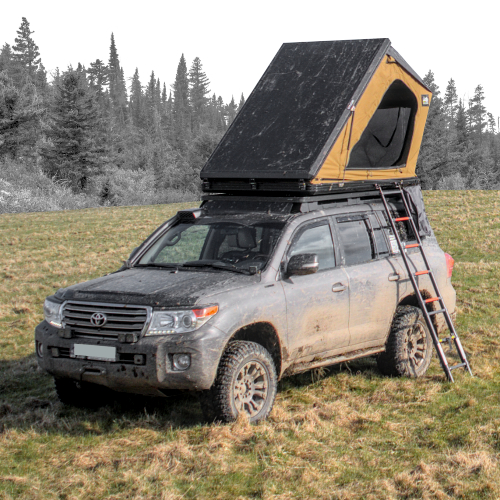
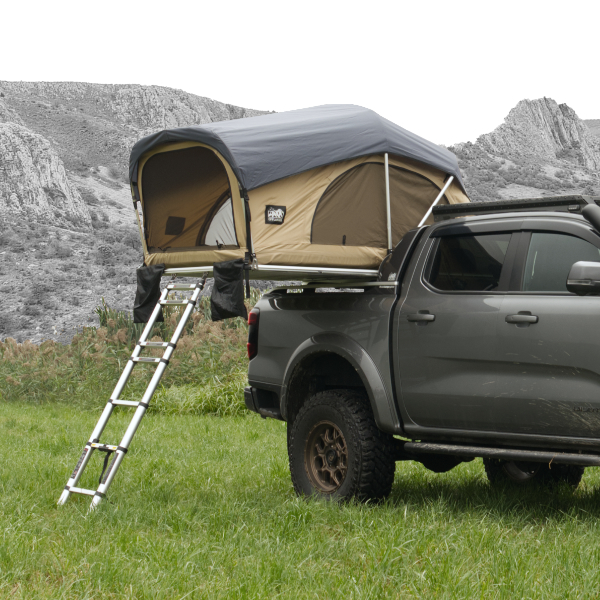
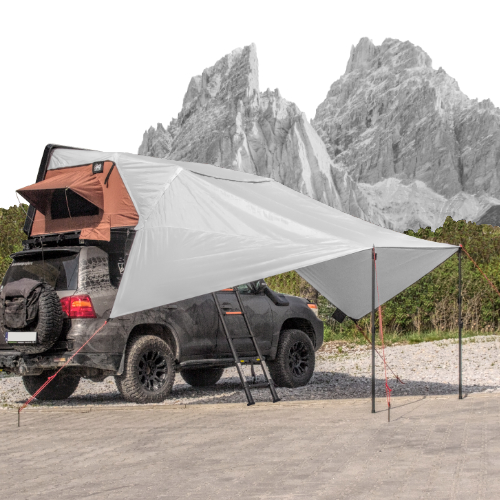
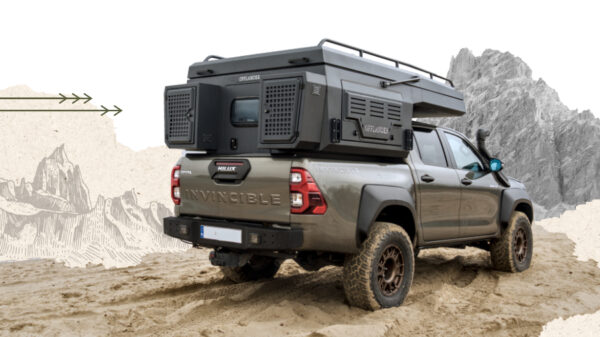
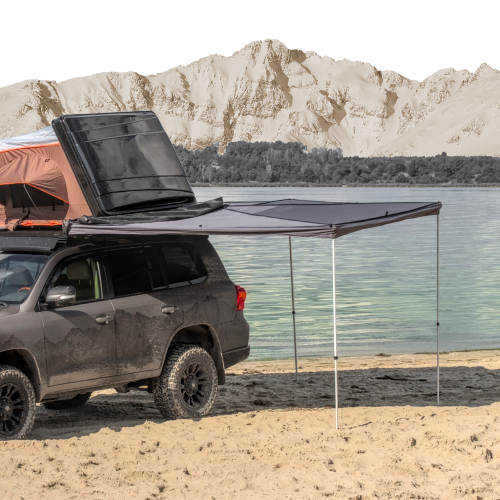
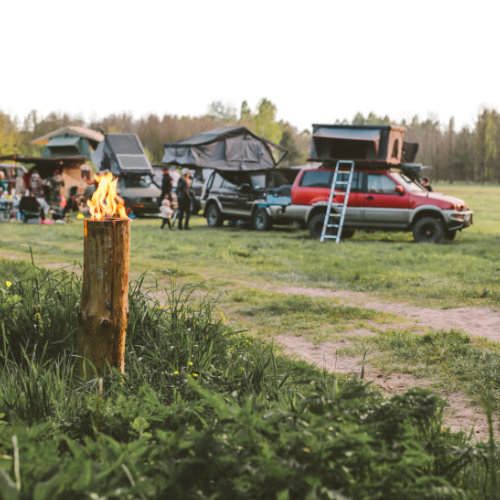
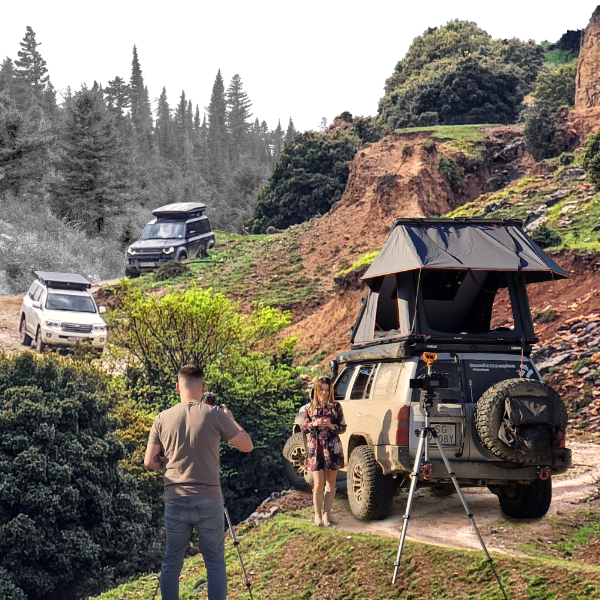
During the trip, travelers are usually self-sufficient, sleeping in a tent or camper, taking a shower, and preparing meals by the fire or using portable stoves. Thanks to current technological progress and new solutions, a trip with a roof tent can be a very comfortable experience. Companies that produce tourist car conversions offer conversions tailored to the car model, or even designed at the customer’s request. If you are worried about low temperatures at night, just install a webasto and the tent will be warm even in winter. More advanced travelers also invest in water purification equipment, specialist GPS navigation, or additional batteries providing constant access to electricity.
One of the most common misconceptions about overlanding is that you have to be young, independent, in good shape, and ideally not have children yet.
In reality, it’s completely different. A trip with a tent can be a fantastic adventure for the whole family. You can see for yourself how extraordinary such trips are for children by checking out the Instagram accounts of Maciek ( Slowtraveler ) and Bartek ( Bart Ventures ).
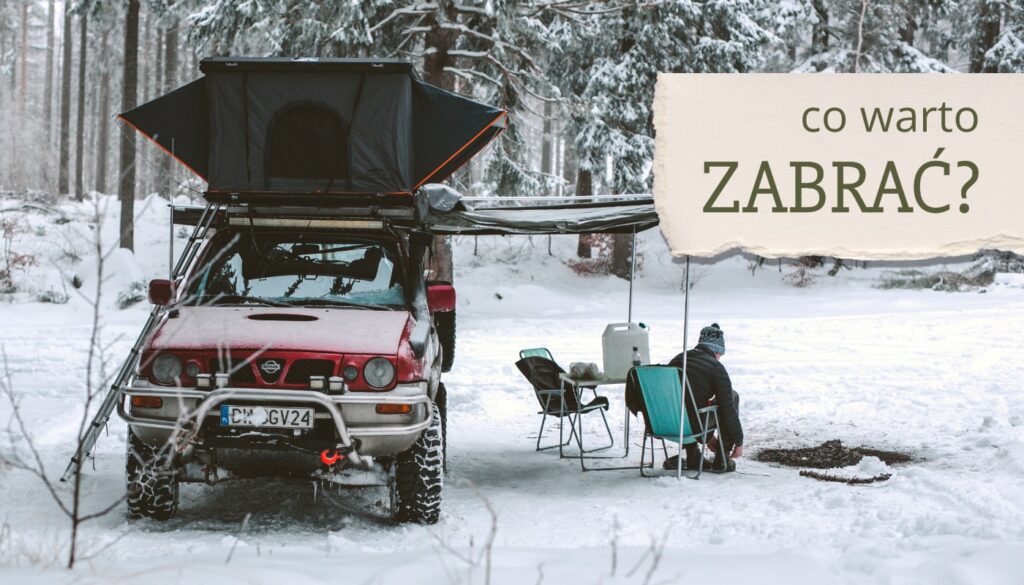
What is worth taking with you?
If you have made the decision to leave and already know which direction you want to go, there are a few more things you need to remember.
In addition to properly preparing your car, it is important to also take care of its equipment. After all, overlanding is a journey, so you may encounter adventures that you do not expect. However, you can anticipate certain situations and try to prepare for them.
According to Overland Journal, one of the best sources of information on overlanding abroad, there are a few things that should be in any car you plan to travel in. They are:
Fire extinguisher
Shovel/Shovel
Jumper cables
Tool kit
Car parts
Full-size spare wheel
Spare key hidden outside the vehicle
Of course, the list of equipment that is not considered essential but is worth having is endless. You should not set off in a car without a very well-stocked first aid kit, but a top-class electric water heating system can already be considered an additional luxury that not everyone may want to decide on.
From our own experience, we recommend that you also purchase:
Compressor
Roof tent and self-supporting awning
Winch
A travel fridge
DC to AC converter
Tire repair kit
Paper map

What is worth knowing before you go?
If you’re going abroad, it’s essential to know the local road rules. For example, you might be surprised to learn that the UK isn’t the only country where you drive on the left. This knowledge could not only save your life, but also help you avoid expensive fines. Also, pay close attention to road signs.
When driving, it is also very important to understand the local rules of signaling. While flashing lights in Poland may mean one thing, in another country they may mean something completely different. It is similar with the interpretation of gestures. For example, in the Middle East, an open hand directed at another person does not mean a command to stop, but to approach. Understanding the local culture and respecting the customs of the locals is extremely important and definitely makes it easier to communicate with the „locals” you encounter on the road. Be sure to also check all the information about camping. In some countries, „wild camping” is legal and is a popular practice, in others you can only set up camp in designated areas.