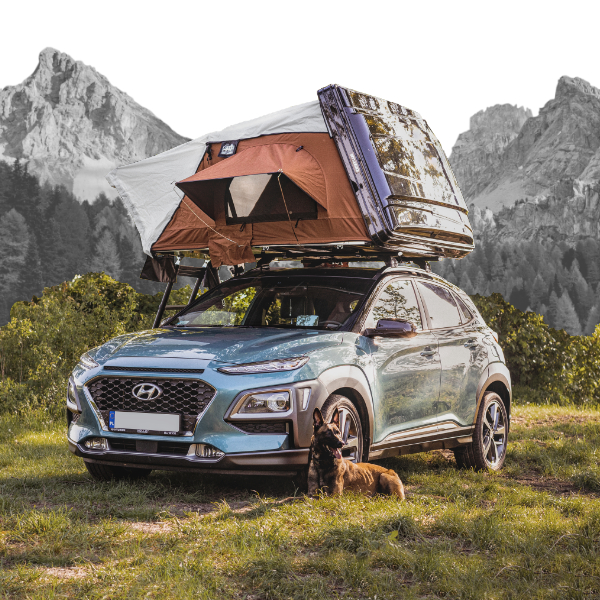
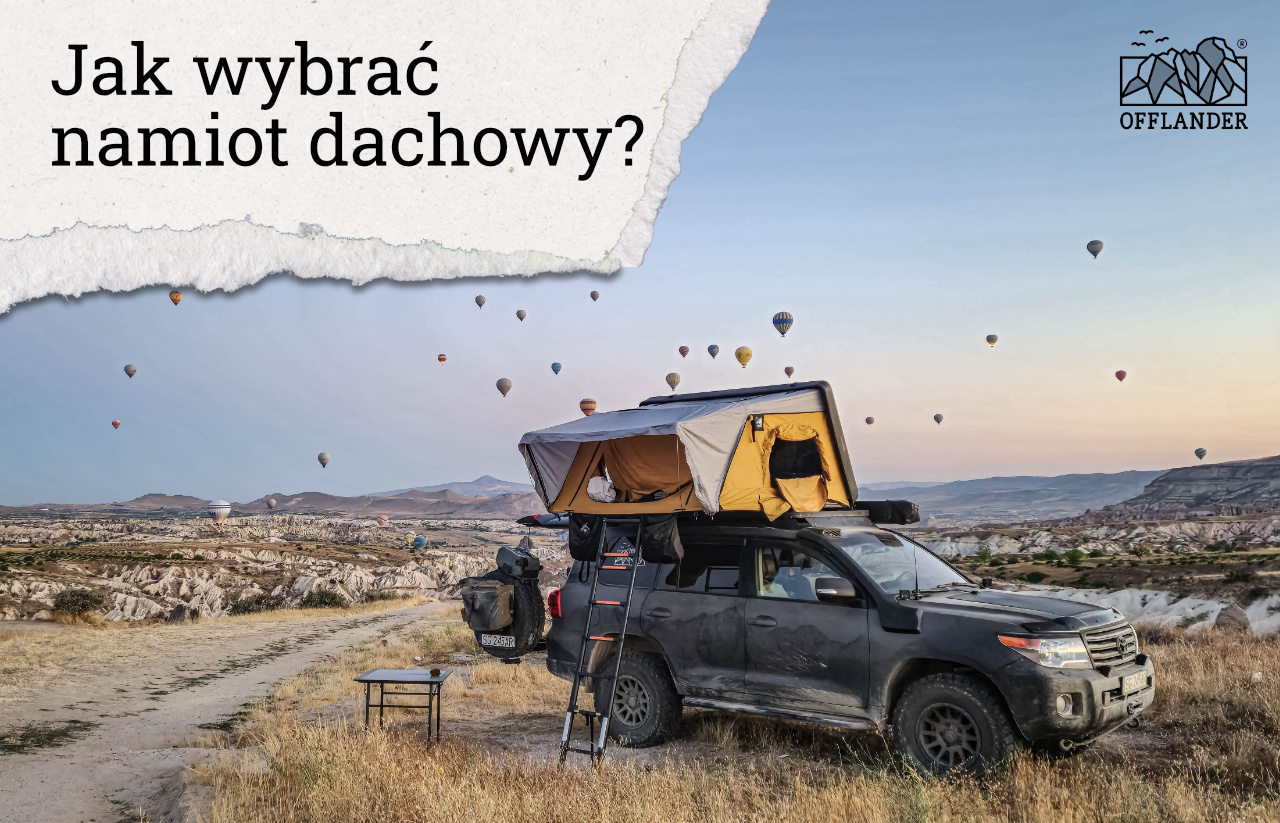
Rooftop tents not only allow you to turn almost any vehicle into a camper and free up valuable space in your car, but they are also more comfortable than a standard tent and much easier to set up. Before making such a large investment, it is important to assess your camping preferences and needs. If you definitely value mobility, independence and freedom of choice, a rooftop tent is for you.
Also watch some videos that answer the most common questions about choosing:
Before you decide to buy a rooftop tent and choose that one dream model, you will have a long “journey” ahead of you, consisting of browsing through manufacturers’ offers, reading opinions, learning from other users what to pay attention to…
We decided to help you with the latter by describing in the guide below how different rooftop tents differ from each other, as well as what details are important.
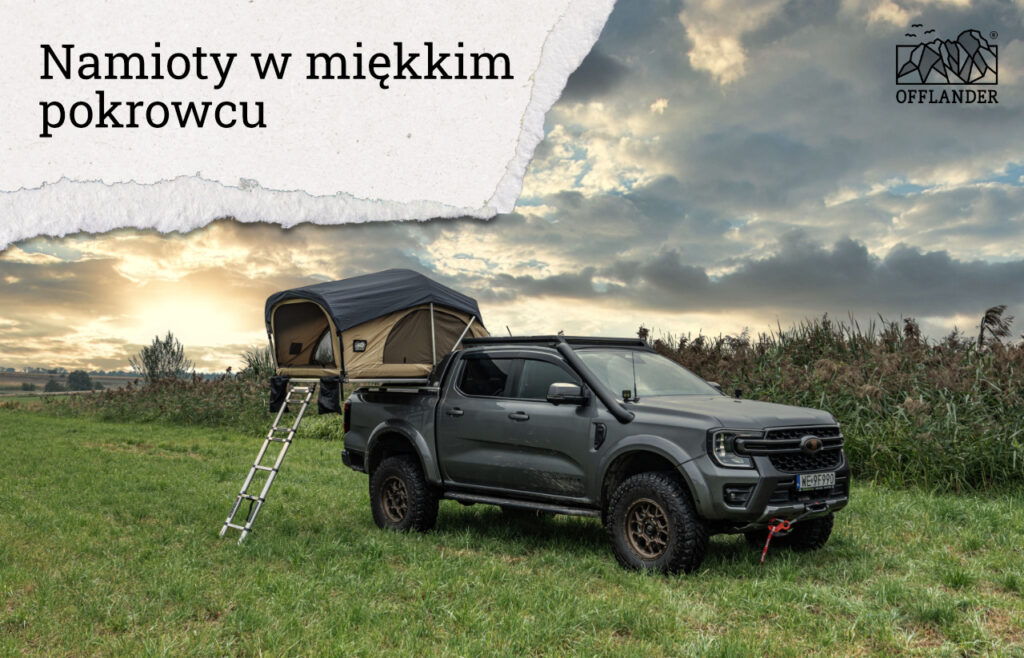
Soft shell tents
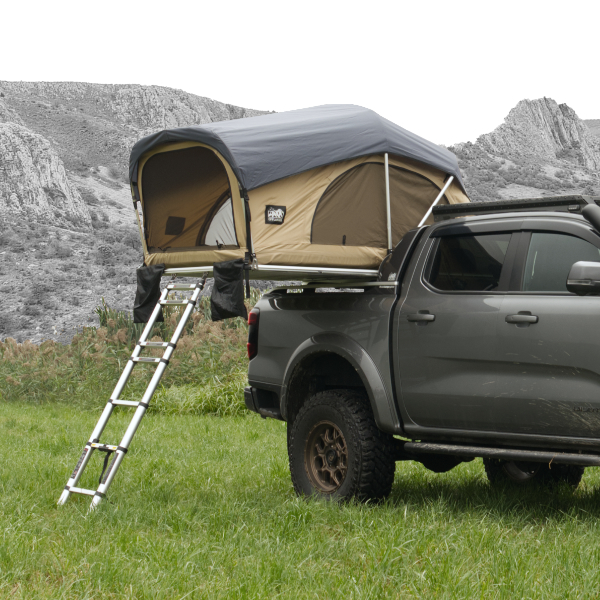
These tents are covered with a solid, waterproof, soft cover and fold out beyond the roof of the vehicle. The most obvious advantage is the price. A tent in a soft shell can be up to 3x cheaper than a solid tent in a hard shell. This is one of the main reasons why many people decide to buy one. Softshell tents come in different shapes and you can easily fit additional accessories, sleeping bags or pillows in them.
However, compared to hard-shell models, the disadvantages are obvious. First of all, soft covers are much more susceptible to moisture accumulation during storage. This results in the appearance of mold and a shorter lifespan. Additionally, without a stable hard cover, soft-shell tents are often noisier in the wind, both when opened and when riding. You also have to be prepared for the fact that a tent with a soft cover will take much longer to set up and take down than a tent with a hard shell.
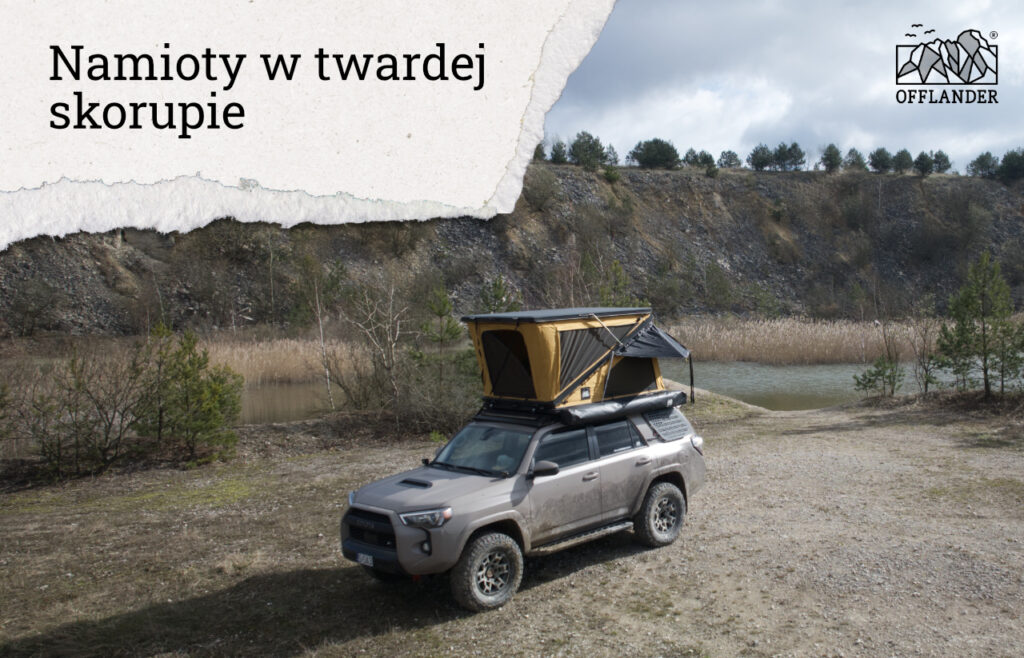
Hard Shell Tents
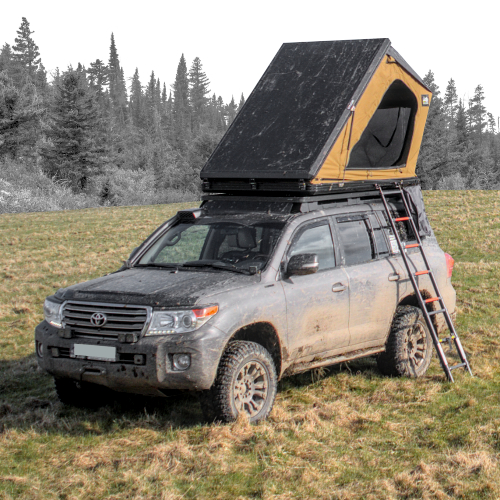
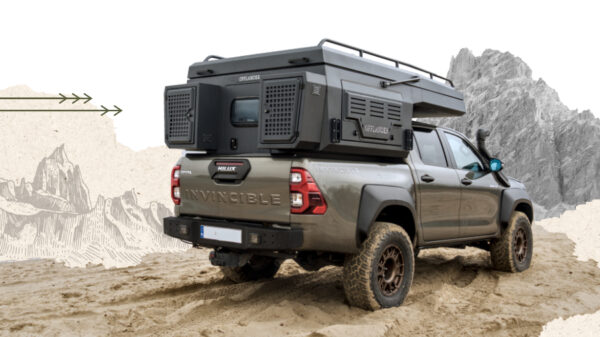
Hard shell tents consist of a fiberglass, plastic, or aluminum cover with fabric inside. Most hard shells hold their shape on the roof of the vehicle, but a few (such as the FOLD 2 and FOLD 4 ) fold out to increase floor space.
Shell tents are considerably more expensive and heavier than soft shell tents, but their longer lifespan, added comfort and superior protection are worth it. When transporting, hard shell tents are also more aerodynamic, completely waterproof and protected from low-hanging branches and flying debris.
In addition, the design of some tents (such as the SLIDE and TRIANGLE ) allows you to place a bike, skis or solar panel on top. When open, they are much more wind resistant, usually have more headroom and usually have softer mattresses. One of the biggest advantages of hard-shell tents is that they are easy to set up, air out, pack down and are quieter on the road because they have a lower profile.

Waterproof and thermal insulation
Rooftop tents are built to withstand a variety of weather conditions. Made from thick, waterproof materials (usually a polyester/cotton blend) and leak-proof zippers, they provide a dry haven on rainy days.
TIP: Remember to keep the flysheet properly stretched in rain or snow. Collecting water can stretch the material or make it soaked.
Some rooftop tents come with the option to add extra insulation. However, if you are used to sleeping outside, have a warm sleeping bag, a Webasto, or plan to camp only during the summer months, then additional insulation is not necessary.

Ventilation
Roof tents generally “breathe” very well. Firstly, unlike standard tents, air flows under the floor between the crossbars and the vehicle. Secondly, most models have large windows and mosquito nets. Most of them can be completely unzipped or only the net can be closed. From the outside, they are usually protected by waterproof roofs (like in the FOLD 2 ). Additionally, manufacturers often add anti-condensation mats to be placed under the cover or under the mattress. Such a mat minimizes unpleasant condensation and adds another layer of insulation.
TIP: On rainy or cold days, remember to keep ventilation adequate. Our body generates heat, which causes steam in the tent. The steam must have an outlet. If the tent is closed tightly for a longer period of time, condensation will appear.
Opening and closing
Generally speaking, rooftop tents are much more convenient to set up than a standard tent. However, there are some key differences between the models. Hard-shell tents are the quickest to set up – often all you have to do is unlatch the hinges and watch the roof rise. Even more complex models, such as the FOLD 2 or FOLD 4 , can be fully erected in a minute. Closing them up is just a matter of reversing the steps, although you do need to be careful to make sure all the material is securely enclosed within the shell or cover. The process of closing a hard-shell takes around 5 minutes depending on the model, the practice and the height of your car.
On the other hand, soft shell tents require a bit more time to remove the soft cover, poles and ladder to support the flysheet and awnings. Putting such a tent together is a good 20 minutes, especially if it is wet.
TIP: Remember that a wet tent will rot if you don’t dry it and air it out. You have about 24-48 hours and the fungus will start doing its thing.
Closed tent dimensions, aerodynamics and mileage
The size of closed roof tents varies considerably, depending on the model. A good rule of thumb is to keep the tent within the dimensions of the roof – and people with small cars should be especially careful before making a purchase. The height of the shell also varies between tents, and this has a big impact on fuel consumption and noise when driving. Noise can be reduced by installing a wind deflector between the roof and the tent. Wind blowing between the roof and the tent is mainly responsible for increased noise.
TIP: Roof crossbars should cover at least 90% of the tent outline. The tent can then extend beyond the roof outline, but not the vehicle [body].
TIP: Remember to account for extra height when driving under bridges, entering parking garages, etc.

Libra
There is no doubt that rooftop tents are heavy and bulky pieces of equipment. Our range ranges from 52 kg tents to 75 kg tents. Due to their weight and size, these tents are not easy to assemble or disassemble, and their assembly or disassembly usually requires at least two people.
TIP: Remember that every car is designed to support its weight on the roof in the event of a rollover; so not every manufacturer will provide this information.
Heavy overhead loads drastically affect a vehicle’s centre of balance, and overloading the suspension can have lasting consequences. What’s more, the more you load your car, the more fuel it will burn on the road. As such, it’s important to read the specifications carefully before you buy – you need to be clear about the vehicle’s load limit (both static and dynamic) and remember to factor in the weight of the crossmembers as well.
Features and accessories
Most rooftop tents have a fairly standard set of extras: an aluminum ladder, pockets for accessories, mounting brackets. However, each model stands out with something special. In the TOP 2 you will find a net suspended from the ceiling, in which you can hide clothes and other things. It is also equipped with a foldable tourist lamp. You can hang it or place it inside the tent. All the tents in our offer have attached shoe bags.
TIP: The SLIDE and TRIANGLE models have additional rails or rails that allow you to place additional luggage on top of the tent, such as water tanks, skis, kayak, boxes or a solar panel.
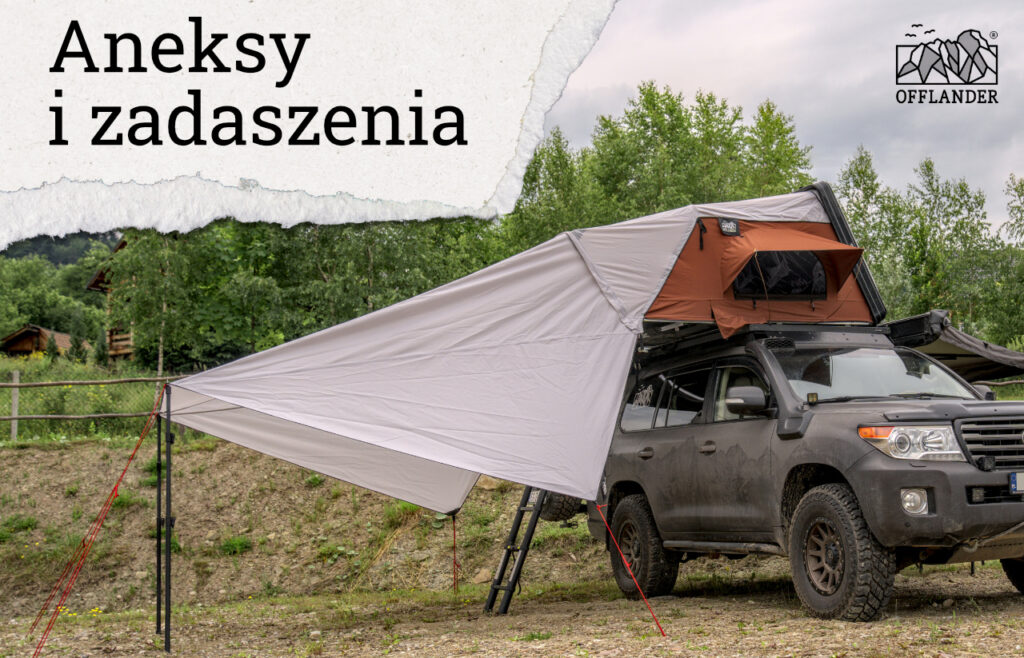
Annexes and roofs
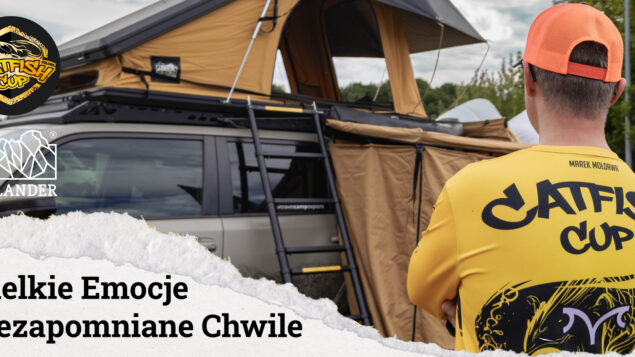
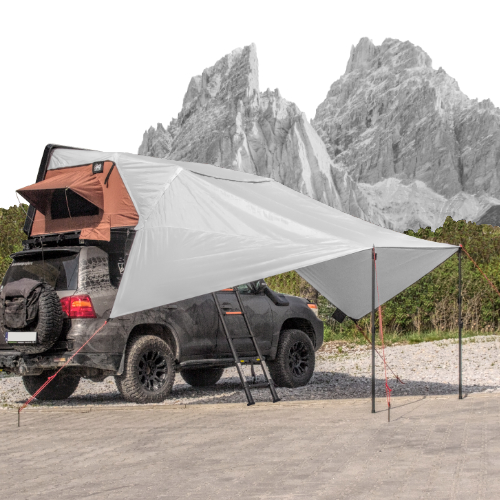
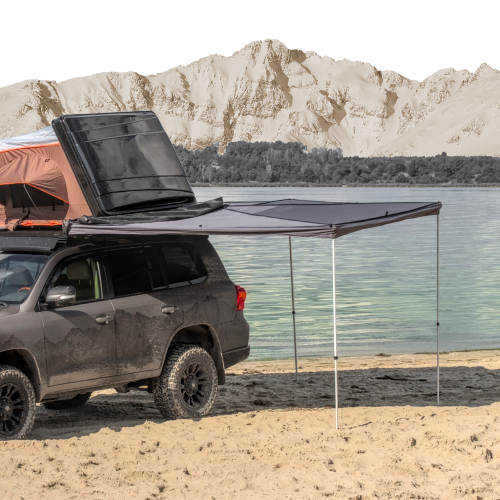
For those camping for longer periods, an annex or shelter is a great way to increase the surface area while maintaining privacy and protection from sun, rain and even insects. Annexes (e.g. for FOLD 2 and FOLD 4 models ) create an enclosed space under the tent that can be a place for a portable shower or toilet, a camp kitchen or an additional area where you can change comfortably and calmly.
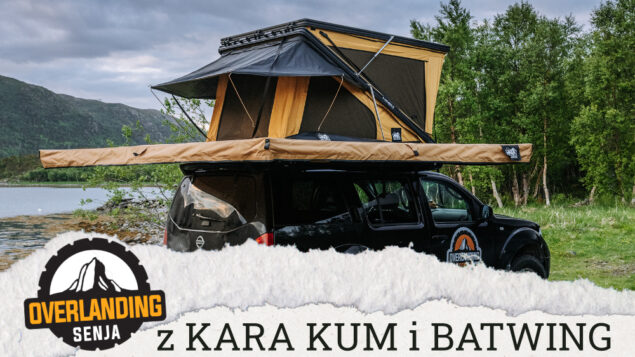
TIP: There are also awnings available on the market that you can mount on your car regardless of your tent. An example of such a thing is the WING XL awning that we offer , which extends around the car by 270°. Additionally, you can buy side walls for it, which will allow you to enlarge the enclosed space.